
Make A Splash: Activities for Your Summer Bucket List
For families enrolled in virtual school, the rhythm of learning looks different year-round. But when summer arrives, even the most dedicated online learners welcome a break from scheduled classes, synchronous sessions, and assignment deadlines. However, "break" doesn't have to mean "brain drain."
Research from the Northwest Evaluation Association (NWEA) shows that students can lose between 17% and 34% of the previous year’s learning gains over summer break—a phenomenon often called the "summer slide" (NWEA, 2022). But here’s the good news: virtual school students are uniquely positioned to combat the summer slide. They’ve already developed self-discipline, time management, and digital literacy. Summer is the perfect time to apply those skills in new, low-pressure, joyful ways.
This guide offers summer activities for students of all ages (elementary through high school), categorized by interest. Whether your child wants to earn high school credit, start a small business, or simply read for pleasure, you’ll find ideas that are flexible and screen-smart to keep your child from falling down the wrong slide.
Academic Enrichment (Without the Burnout)
These activities keep the mind active but don’t feel like school. Think micro-lessons, passion projects, and real-world applications.
Instead of a generic reading log, try themed challenges. The American Library Association’s “Oceans of Possibilities” (or any current summer theme) offers free printables and badges (ALA, 2023). Try using Goodreads or StoryGraph to track progress, and join an online book club to make it social. Pair reading with audiobooks via Libby (free with a library card)—they count as reading and are perfect for long car rides or while doing chores.
Virtual summer STEM camps are another fantastic low-cost option. NASA’s Teachable Moments provides weekly real-world science problems, Code.org’s Hour of Code can be done one hour per week, and Mystery Science offers mini-lessons for younger students.
For students who crave autonomy, a passion project works beautifully: have them design a 4-week independent study to build a website, write a short story collection, learn the history of their hometown, or create a YouTube tutorial series on a topic they love.
Finally, for foreign languages, try “summer sprinkles” instead of a full curriculum—just 10 minutes daily on Duolingo or Memrise, paired with watching a favorite movie dubbed in that language to make the language sing.
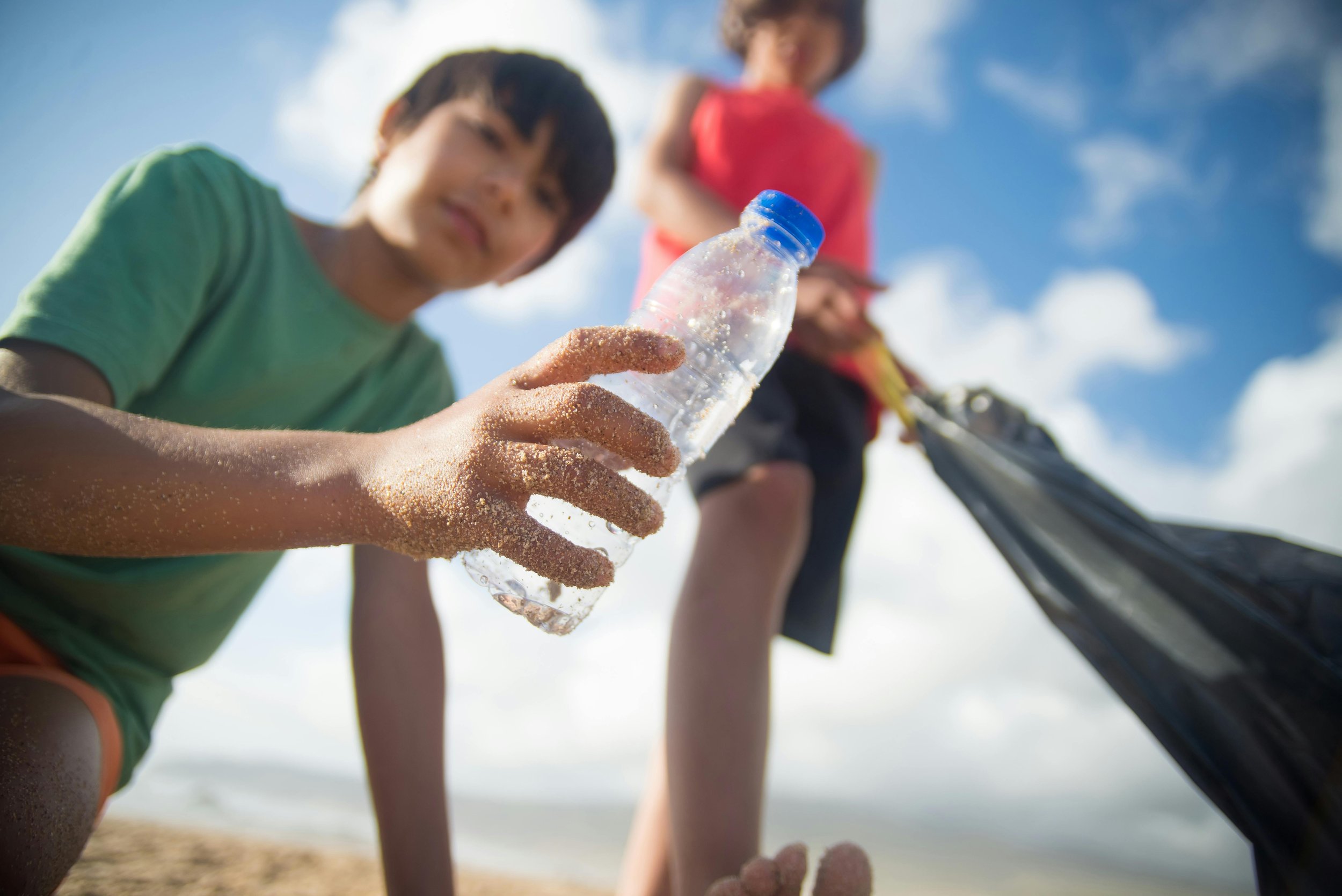
Outdoor & Physical Summer Activities for Students
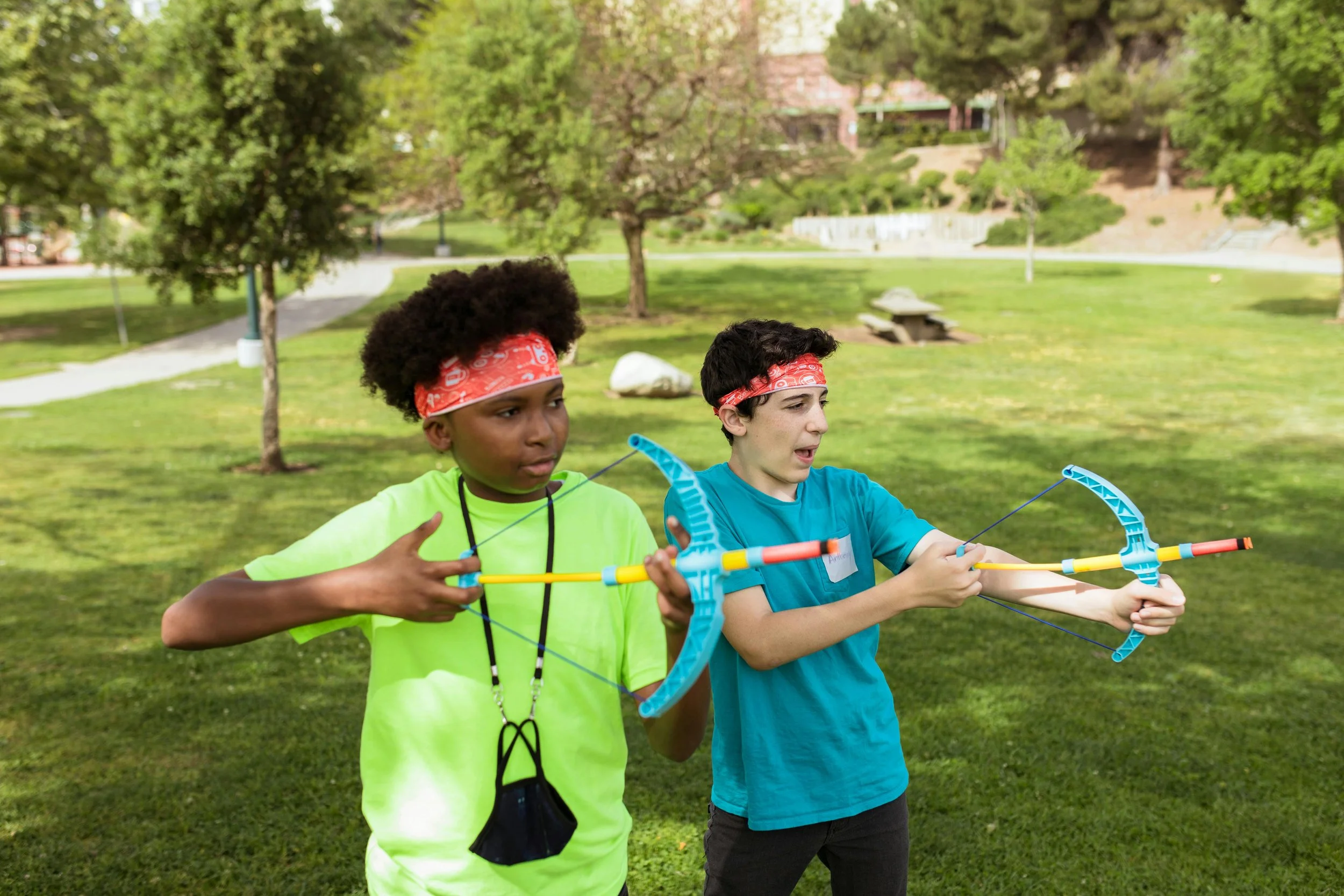
Virtual school can mean lots of indoor time. Summer is the cure. These activities promote physical health, which the CDC notes improves academic attention and executive function (CDC, 2021).
Want to make action the main activity? Make physical activity a game! Can they beat their personal best in jumping jacks? Can they juggle a soccer ball 50 times? Create a “Summer Games” bingo card with physical challenges.
Geocaching is a global outdoor treasure hunt that uses GPS to find hidden containers worldwide. It’s a free app-based activity teaching map reading, patience, and problem-solving; as a bonus many caches have educational themes like history, geography, or ecology. These are great for students who like to solve problems while on the move.
For nature lovers, journaling combines art, science, and observation. Even if drawing isn’t an established skill, practice makes you proficient! Start with a leaf, cloud formation, or insect and write three observations. Cornell Lab of Ornithology offers free birding journals for download. Backyard citizen science projects like the Great Sunflower Project (counting pollinator visits) or iNaturalist (photographing and identifying species) let students contribute to real research.
And for a cross-curricular win, start a small container garden. Measure plant growth (math), test soil pH (chemistry), track weather patterns (earth science), and cook what you grow (life skills). A single garden bed can cover six subjects without a single worksheet.
Creative & Artistic Exploration
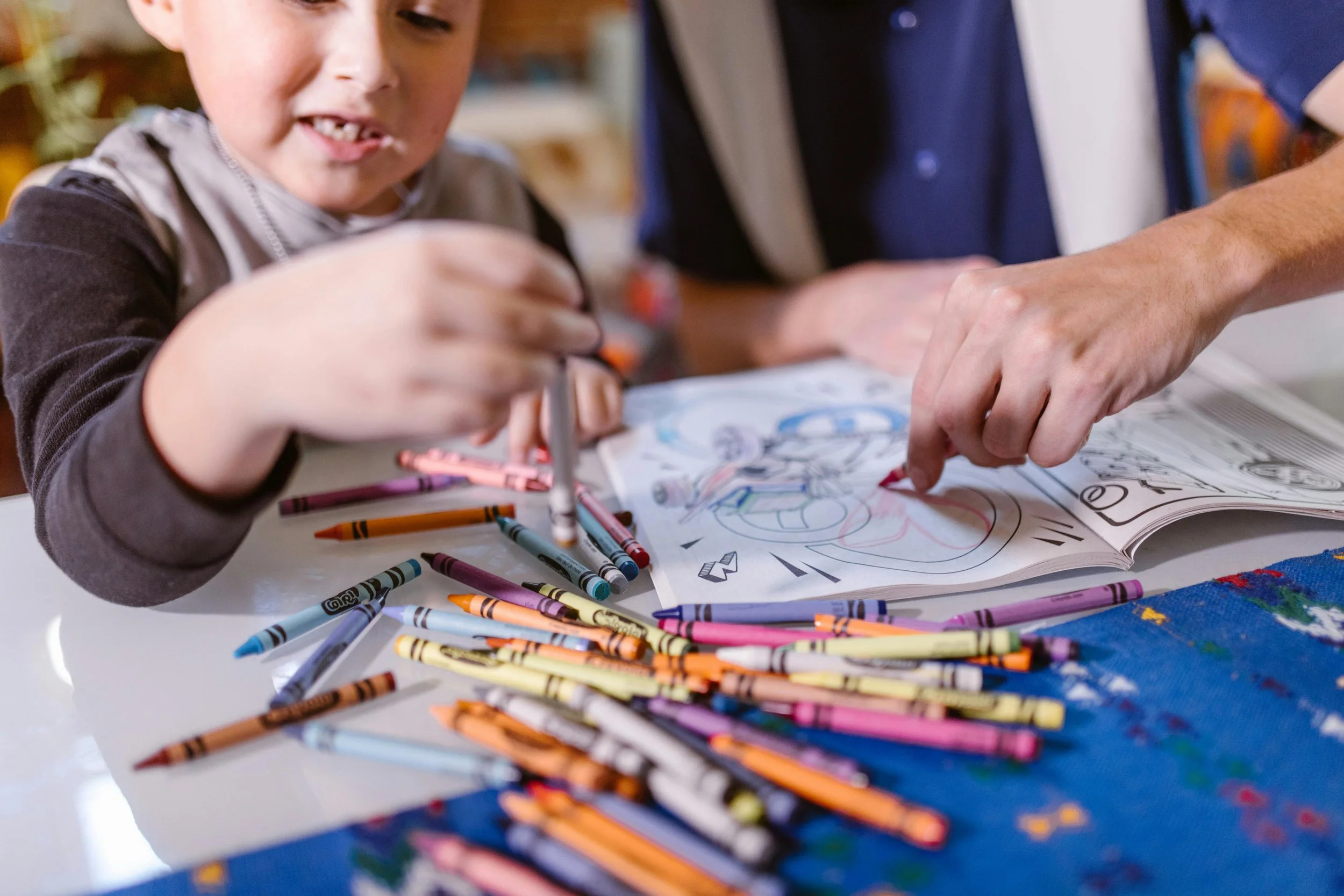
Virtual school curriculum often covers the arts, but summer allows for deep dives into creative flow without the pressure of grades.
Digital art bootcamps are widely available for free on YouTube—channels like Proko for drawing and Ctrl+Paint for digital painting teach real, transferable skills. Students can then create a portfolio for fun and to show off to their friends.
Another low-cost, high-engagement idea is writing and publishing a “zine” (a mini magazine), handwritten or designed on Canva. Topics could include “My Virtual School Year,” “How to Train Your Cat,” or “The Best Ice Cream in Town.” Print copies for family and to make their creation a tangible.
For students who love filmmaking, stop-motion animation using a phone and free apps like Stop Motion Studio lets them animate Lego figures, clay, or drawings—building storytelling, patience, and tech skills simultaneously.
Photography is another accessible medium: try a “One Subject, 30 Ways” challenge. Choose a single subject—a window, a tree, a bicycle—and photograph it from 30 different angles, times of day, or with different filters. This simple constraint teaches composition, lighting, and observation.
Life Skills & Career Exploration
Virtual school students often graduate with exceptional self-management. Summer can build practical adulting skills that textbooks rarely cover.
Cooking is stealth education at its best. Baking teaches fractions, fermentation introduces biology, and following a recipe builds reading comprehension. Assign one “Chef’s Night” per week where the student plans and executes a meal within a budget. That way, you know they can fend for themselves after graduation.
For financial literacy, try a budgeting simulation: give them a hypothetical $1,000 monthly budget for groceries, rent, and fun, using free Google Sheets templates to track spending. Or make it real by having them plan a family outing with an actual budget.
Starting a micro-business is a powerful summer project. Options include lawn mowing or pet sitting in the neighborhood, selling printable planners on Etsy, tutoring younger students in a subject they love, or pressure washing driveways. This teaches marketing, customer service, and money management. (Check local child labor laws for under-14s.)
For career exploration, many public libraries offer free access to LinkedIn Learning, where high schoolers can take courses like “Becoming a Lifelong Learner” or “Time Management for Students.” Platforms like VirtualInternships.org and Forage offer free virtual work experiences from companies like JPMorgan Chase or Accenture—no commitment, just exploration.
Social & Community Connection
It’s easy to worry about social isolation with virtual school students. Summer is a great time to build intentional, low-stakes connections.
Consider starting an online book club with virtual school peers using messaging app. Read one book every two weeks and hold a video call discussion, rotating who picks the book. For a more old-school approach, pen pals (snail mail or email) through PenPal World or Students of the World connect students across cultures, improving writing fluency and empathy.
Board game nights are another winner: Board Game Arena and Tabletopia allow free multiplayer versions of Catan, Carcassonne, and more all online! You can invite virtual school friends from across the state, and invite any in-person friends to build a group.
Volunteering from home is surprisingly easy. The Smithsonian Digital Volunteers program lets students transcribe historical documents. Zooniverse offers galaxy classification, animal behavior tracking, and old weather record transcription. Letters to Seniors is a simple but meaningful way to write cards to nursing home residents. All of these provide service hours for graduation requirements and build a sense of purpose.
Screen-Smart Summer Learning
Not all screen time is equal. These options are engaging but educational
Minecraft Education Edition (free with some licenses) lets students build a Roman aqueduct, simulate an ecosystem, or recreate a historical landmark. Many virtual schools offer free access. Typing.com is a free and gamified way to build typing competency—just 15 minutes a day over summer can boost words-per-minute from 20 to 45, a huge benefit for future essays. Podcast listening with a response activity works well for all ages. Curate age-appropriate podcasts like Brains On! (science for elementary), Smash Boom Best (debate skills for middle school), or Stuff You Missed in History Class (high school). Have students write a one-paragraph review or draw a visual summary.
One of the most future-facing summer activities is diving into the complicated world of AI. Discuss plagiarism, fact-checking, and ethics openly, while challenging them to research AI responsibly. 21st-century literacy is a skill that will serve them through high school, college, and far beyond.
Family Bonding & Travel (Even if It’s a Staycation)

With virtual school, travel doesn’t have to be packed into two frantic weeks. But even at home, families can create meaningful “field trips.”
Virtual museum tours are a gift. The Louvre, British Museum, Smithsonian Natural History Museum, and Van Gogh Museum all offer free 360-degree tours. Pair one with a simple challenge: “Find three artifacts from ancient Egypt” or “Sketch your favorite painting and explain why you chose it.”
For a staycation “world tour,” pick a country each week. Cook a dish, learn three phrases, listen to music, watch a travel documentary, and color the flag—no passport needed. That way, you can learn more about other culture (and which ones you may want to see in person).
Try a family documentary night and discussion as a bonding tool. Watch a documentary like My Octopus Teacher (nature), Won’t You Be My Neighbor? (social studies), or The Social Dilemma (media literacy), then use free discussion guides from Journeys in Film.
Finally, do a “Summer Project Day” once per week where everyone works on a personal project side-by-side. Parent gardens while child codes. This mirrors the co-working model that many successful virtual school families already use during the academic year. It normalizes focused work, reduces the feeling of “doing summer school alone,” and builds a shared family culture of curiosity.
Sample Summer Schedules
Structure helps prevent the “I’m bored” refrain, but make sure to leave plenty of white space for free time. Here are three sample schedules by age group so you don’t have to do the heavy lifting alone.
For Middle School (Ages 11–13)
- 9:00–9:30 AM: Morning walk or exercise
- 9:30–10:15 AM: Typing practice or STEM camp
- 10:15–11:00 AM: Passion project or coding
- 11:00 AM–12:00 PM: Outdoor citizen science or geocaching
- 12:00–1:00 PM: Lunch + podcast
- 1:00–2:30 PM: Free time (games, friends, reading)
- 2:30–3:30 PM: Life skill (cooking, budgeting simulation)
- Evening: Family activity or virtual museum tour
For Elementary (Ages 5–10)
- 9:00–9:30 AM: Outdoor play
- 9:30–10:00 AM: Reading (check our our summer reading list here!)
- 10:00–10:30 AM: Summer activity from above (e.g., nature journaling)
- 10:30 AM–12:00 PM: Free play or swimming
- 12:00–1:00 PM: Lunch + audiobook
- 1:00–2:00 PM: Creative time (art, Lego, stop-motion)
- 2:00–5:00 PM: Unstructured time, chores, family
For High School (Ages 14–18)
- 8:30–9:00 AM: Stretch, journal, plan day
- 9:00–10:00 AM: Career exploration (Forage, LinkedIn Learning)
- 10:00–11:00 AM: Micro-business or volunteer transcription
- 11:00 AM–12:00 PM: Reading (nonfiction or classic literature)
- 12:00–1:00 PM: Lunch + foreign language app
- 1:00–2:30 PM: Summer job, internship, or project
- 2:30–4:00 PM: Social time (online board games or in-person)
- 4:00–5:00 PM: Physical activity (sports, walking, yoga)
- Evening: Family time, movie discussion, or free reading
When setting out a summer schedule, collaborate with younger students to understand what works best for them and when. This builds confidence, agency, and time management as they learn how to build their day.
Recharge, Don’t Retrench
The goal of summer activities is not to replicate the intensity of the academic year, but rather to apply the skills they’ve learned—curiosity, independence, time management—to the real world. Whether your child spends July building a robot, baking bread, or reading graphic novels under a tree, they are growing under the summer sun.
Make summer a reminder of why learning is fun, not just necessary.
And don’t forget the most important summer activity of all: rest. Sleep, boredom, and unstructured play are not enemies of learning; they are its foundation (National Scientific Council on the Developing Child, 2020). Without it, we wouldn’t be stirred into curiosity and exploration.
Have a wonderful, balanced summer break—from all of us at Tri Star!

Sources:
American Library Association (ALA). (2023). Summer Reading Program Resources. Available at: www.ala.org/summer-reading
Centers for Disease Control and Prevention (CDC). (2021). Health and Academic Achievement. Available at: www.cdc.gov/healthyyouth/health_and_academics
National Scientific Council on the Developing Child. (2020). The Science of Early Childhood Development. Center on the Developing Child, Harvard University.
Northwest Evaluation Association (NWEA). (2022). Summer Learning Loss: What We Know and What We’re Learning. Available at: www.nwea.org/research
