
Rays and Reading: A Stellar Summer Reading List
Summer Break is made for relaxation, a time to refresh and reflect on one school year before the next. But, summer isn’t just about rest – it’s vital to keep young minds moving to make sure they retain everything learned throughout the school year. But with no assigned reading logs or quizzes, how do you keep your child turning pages?
The answer isn’t pressure. It’s choice.
Research from Scholastic’s Kids & Family Reading Report (2023) found that 89% of children ages 6–17 say their favorite books are the ones they pick out themselves. When students have autonomy over their summer reading list, they don’t just read more—they read more deeply. For virtual school families, summer is the perfect season to hand over the reins while curating a stack of options.
This summer reading list is organized by age group: elementary (ages 5–10), middle school (ages 11–13), and high school (ages 14–18). Each section includes a mix of new releases, timeless classics, graphic novels, nonfiction, and audiobook recommendations. We’ve also included a few free reading-related activities you can print out for students of any age!
Let’s dive in!
Elementary School Summer Reading List (Ages 5–10)
Early readers thrive on repetition, rhyme, and pictures that tell half the story. But don’t underestimate this age group; many are ready for chapter books, graphic novels, and nonfiction about animals, space, or how things work.
Picture Books That Pack a Punch (Ages 5–7)
These books work well for read-alouds, independent practice, or audiobook pairing.
The Book with No Pictures by B.J. Novak – A hilarious meta-story that forces the adult reading it to say silly things. Perfect for reluctant readers.
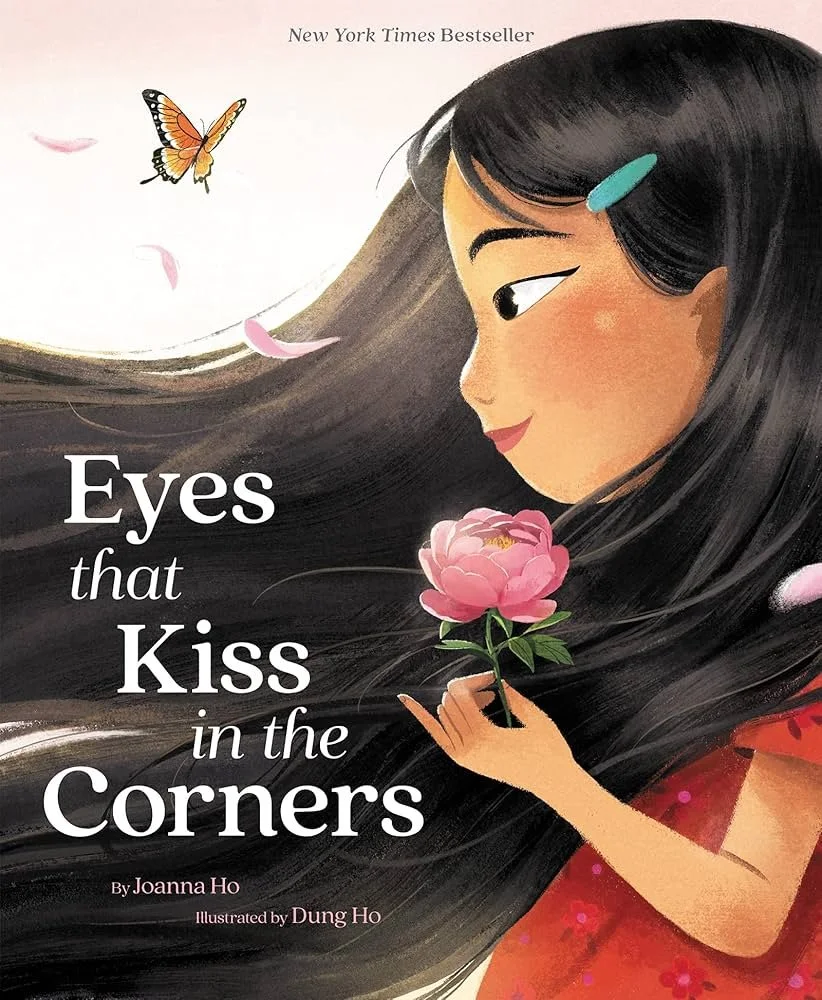
Eyes That Kiss in the Corners by Joanna Ho – A lyrical celebration of identity and family heritage.
We Are Water Protectors by Carole Lindstrom – Caldecott Medal winner; this book introduces environmental stewardship and indigenous characters.
The Rabbit Listened by Cori Doerrfeld – A quiet masterpiece about emotions and empathy that’s ideal for virtual school students processing big feelings.
Mel Fell by Corey R. Tabor – A short, confidence-boosting story about a kingfisher learning to fly.
Early Chapter Books & Graphic Novels (Ages 6–8)
Graphic novels are real reading; they build visual literacy, inference skills, and stamina. Here are a few graphic novels for young students.
Cat Kid Comic Club series by Dav Pilkey – From the creator of Dog Man this series teaches story structure through funny, accessible comics.
Princess in Black series by Shannon Hale – A superhero princess who fights monsters in short chapters with lots of action.
Narwhal: Unicorn of the Sea (A Narwhal and Jelly Book #1) by Ben Clanton – Whimsical, silly, and surprisingly informative about ocean life.
Zoey and Sassafras: Dragons and Marshmallows by Asia Citro – Chapter book + magic + science experiments. Zoey uses the scientific method to care for magical creatures.
Pro tip: Many of these are available as read-alouds on YouTube (with publisher permission) for multi-sensory learning.

Nonfiction for Curious Young Minds (Ages 7–10)
Virtual school students often develop deep interests in specific topics. Lean in with non-fiction titles!
The Truth About Butterflies (The Truth About Your Favorite Animals) by Maxwell Eaton III – Funny, factual, and illustrated.
How to Apologize by David LaRochelle – A surprisingly practical social-emotional guide.
Weird But True! series by National Geographic Kids – Bite-sized facts perfect for reluctant readers.
Audiobook Ideas for Short Car Rides
The Gruffalo by Julia Donaldson, narrated by the author. Running time: 12 minutes.
Summer Reading Challenge for Elementary Students
Instead of a minutes-based goal (which may add unintentional pressure), try a genre challenge. Can they read:
One graphic novel
One nonfiction book
One book with a blue cover
One book recommended by a friend
One audiobook
Keep Reading for our free Downloads below!
Middle School Summer Reading List (Ages 11–14)
Middle school is where reading identities are made—or broken. Many students at this age either devour entire series or declare they “hate reading.” The secret? High-interest, low-judgment choices. Graphic novels continue to hook middle schoolers, alongside verse novels, thrillers, and realistic fiction.
Engaging Fiction for Middle Graders
When You Trap a Tiger by Tae Keller – This Newbery Medal winner blends Korean folklore, family secrets, grief, and a magical tiger.
The Last Cuentista by Donna Barba Higuera – Here, Sci-fi meets a storytelling tradition. A girl wakes from cryosleep to find she’s the only one who remembers Earth’s stories.
Ghost (Track series #1) by Jason Reynolds – Four sentences in, and you’ll be hooked. A boy running from his past finds himself running toward something, not just away.
The Tryout by Christina Soontornvat – A graphic novel memoir following one of the only Asian American kids in a Texas middle school to her cheerleading tryout.
Verse Novels (Fast, Emotional, Approachable)
Verse novels look like poetry but read like stories. They’re excellent for reluctant readers because the white space on the page reduces visual overwhelm.
The Crossover by Kwame Alexander – Basketball, family, and heartbreak in hip-hop verse! There’s also a graphic novel adaptation and a Disney+ series for students who want to explore the story across media.
Lone Wolf by Sarah Kurpiel – A family husky who feels out of place in her human family runs away to the words to explore her inner wolf. Perfect for virtual school students who sometimes feel different.
Red, White, and Whole by Rajani LaRocca – An Indian-American girl straddles two cultures as her mother falls ill with cancer. Historical fiction set in the 1980s.
Nonfiction & Memoirs for Middle School
The Boy Who Harnessed the Wind (Young Readers Edition) by William Kamkwamba – True story of a teen who built a windmill from scrap parts. Pair it with the Netflix film!
This Book Is Anti-Racist by Tiffany Jewell – Journal-style activities paired with history.
Almost American Girl by Robin Ha – This graphic novel memoir follows a teen moving from Korea to Alabama as she handles language barriers and belonging.
Series to Binge Over Summer
Nothing builds reading stamina like a series! Once they finish book one, the next is right there, which is perfect for students who build reading momentum.
The Percy Jackson series by Rick Riordan – A classic! Greek mythology meets an ADHD/neurodivergent hero. The new Disney+ show is a great fit for readers further in the series.
Wings of Fire by Tui T. Sutherland – You can’t go wrong with a dragon-centric fantasy. The graphic novel adaptations are excellent for transitioning readers.
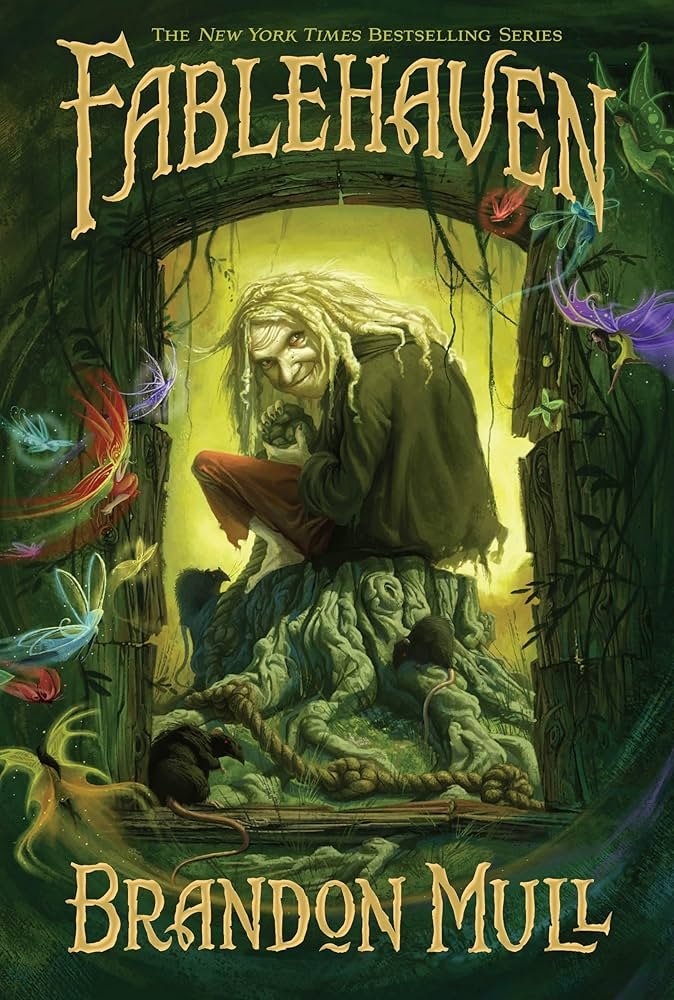
Fablehaven series by Brandon Mull – A brother and sister find out that their grandparents are more than what they seem when their summer visit becomes magical.
Song of the Lioness series by Tamora Pierce – Follow Alanna as she fights her way to knighthood in this introduction into Pierce’s sprawling world.
Audiobook Recommendation for Family Road Trips
The One and Only Ivan by Katherine Applegate, narrated by Adam Grupper – Based on a devastating and hopeful true story of a gorilla in a shopping mall. Running time: ~3.5 hours.
High School Summer Reading List (Ages 14–18)
By high school, many virtual school students are reading for both pleasure and college preparation. Summer is the ideal time to tackle longer works, explore complex themes, and read outside the curriculum. This list balances canonical classics with contemporary diverse voices, plus nonfiction that doesn’t feel like homework.
Fluff And Fun
That said, sometimes you need a break from high-level reading to avoid burnout. Here are a few light, fun reads for teens to enjoy pool-side.
Legendborn by Tracy Deonn – King Arthur reimagined with a Black girl as the protagonist. 500+ pages but moves fast.
If You’ll Have Me by Eunnie– “A cute romance about feeling like you're "behind" everyone else in terms of experience and discovering you're loveable just as you are.” -NYPL
Strange Bedfellows by Ariel Slamet Ries – This coming of age graphic novel includes beautiful illustrations following two college dropouts finding themselves.
Classics That Don’t Feel Like Chores
Many students resist classics because they’re taught as artifacts, not stories. Summer reading can flip that.
The House on Mango Street by Sandra Cisneros – Vignettes that explore race, class, gender, and what makes a home.
Frankenstein by Mary Shelley – Often miscast as a horror novel, this book is actually a philosophical meditation on creation, abandonment, and responsibility. Look for a version that includes historical context for a deeper read!
The Odyssey by Homer, Translated by Emily Wilson – The first full translation published by a woman, this version of Homer’s classic provides vital and refresh insights into a tale as old as time.
Nonfiction & Memoirs for Critical Thinking
Just Mercy (Adapted for Young Adults) by Bryan Stevenson – A book exploring criminal justice reform, bias, and hope. Pair it with the film for a multi-media experience!
Braiding Sweetgrass for Young Adults by Robin Wall Kimmerer – Indigenous wisdom, ecology, and gratitude: originally a bestseller for adults, this adaptation retains depth and emotion.
Born a Crime by Trevor Noah (Young Readers Edition) – Popular comedian Trevor Noah explores his more serious side in this tale of Apartheid, humor, and a mother’s fierce love. The audiobook narrated by Noah is essential.
Summer Reading for School
These books appear frequently on college summer reading lists and AP Literature recommended titles.
There There by Tommy Orange – Interlocking stories of urban Native Americans attending a powwow in Oakland. A challenging structure, but rewarding.
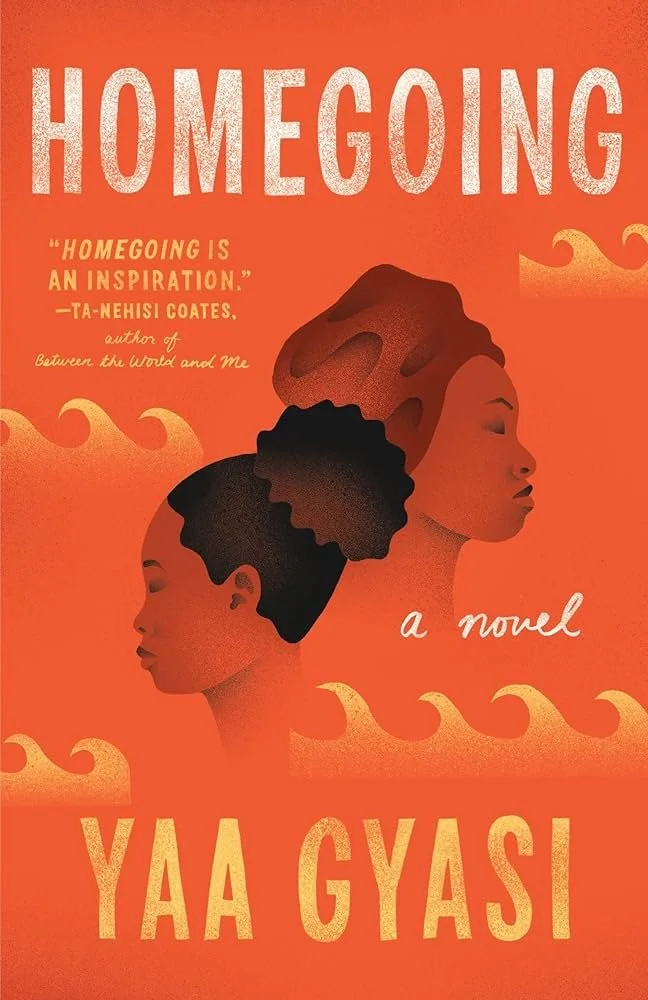
Homegoing by Yaa Gyasi – 300 years of Ghanaian family history where each masterful chapter follows a generation.
The Nickel Boys by Colson Whitehead – This Pulitzer Prize winner is a short but devastating story of a reform school in Jim Crow Florida.
Graphic Novels – Again
They Called Us Enemy by George Takei – The memoir follows a familiar celebrity through his experience as a Japanese American living in internment camps during WW2.
Maus by Art Spiegelman – The only graphic novel to win a Pulitzer Prize, Mice represent Jews and cats represent Nazis in this essential Holocaust literature.
The Sacrifice of Darkness by Roxane Gay and Tracy Lynne Oliver – This adaptation of Gay’s short story is set on an alternate Earth where a young woman must navigate the world without the sun.
Audiobook for Long Summer Drives
Scythe by Neal Shusterman, narrated by Greg Tremblay – In this dystopian future, death has been eliminated and only “scythes” control the population. First in a trilogy. Running time: ~12 hours—perfect for a round trip.
Tips to Make Summer Reading Stick
A summer reading list is only useful if the books actually get read. Here are four strategies that can work especially well for online learners.
1. Use the “Five-Book Rule.” Take your child to a library (physical or digital via Libby) and let them choose five books. They don’t have to finish any of them. The rule is they must read the first 20 pages before giving up. Often, they’ll be hooked by page 21.
2. Pair books with media. Read The Martian by Andy Weir, then watch the film and discuss differences. Read Hidden Figures, then watch the movie. Read Percy Jackson, then watch the Disney+ series. This builds critical media literacy.
3. Create a family “reading hour.” Virtual school students are used to synchronous learning blocks, so you can replicate that with 30–60 minutes daily where every family member reads their own book. No phones, no screens (except e-readers). Model the behavior.
4. Don’t fight audiobooks. Audiobooks build vocabulary, comprehension, and empathy, while engaging the same parts of the brain as traditional reading. The National Literacy Trust found that audiobook listeners report higher enjoyment of reading (NLT, 2021). This is a great way to build interest in reading by presenting stories in a format that’s even more easily accessible.
Summer Reading Printables & Trackers
To help your virtual school student stay motivated without pressure, download our free summer reading resources!
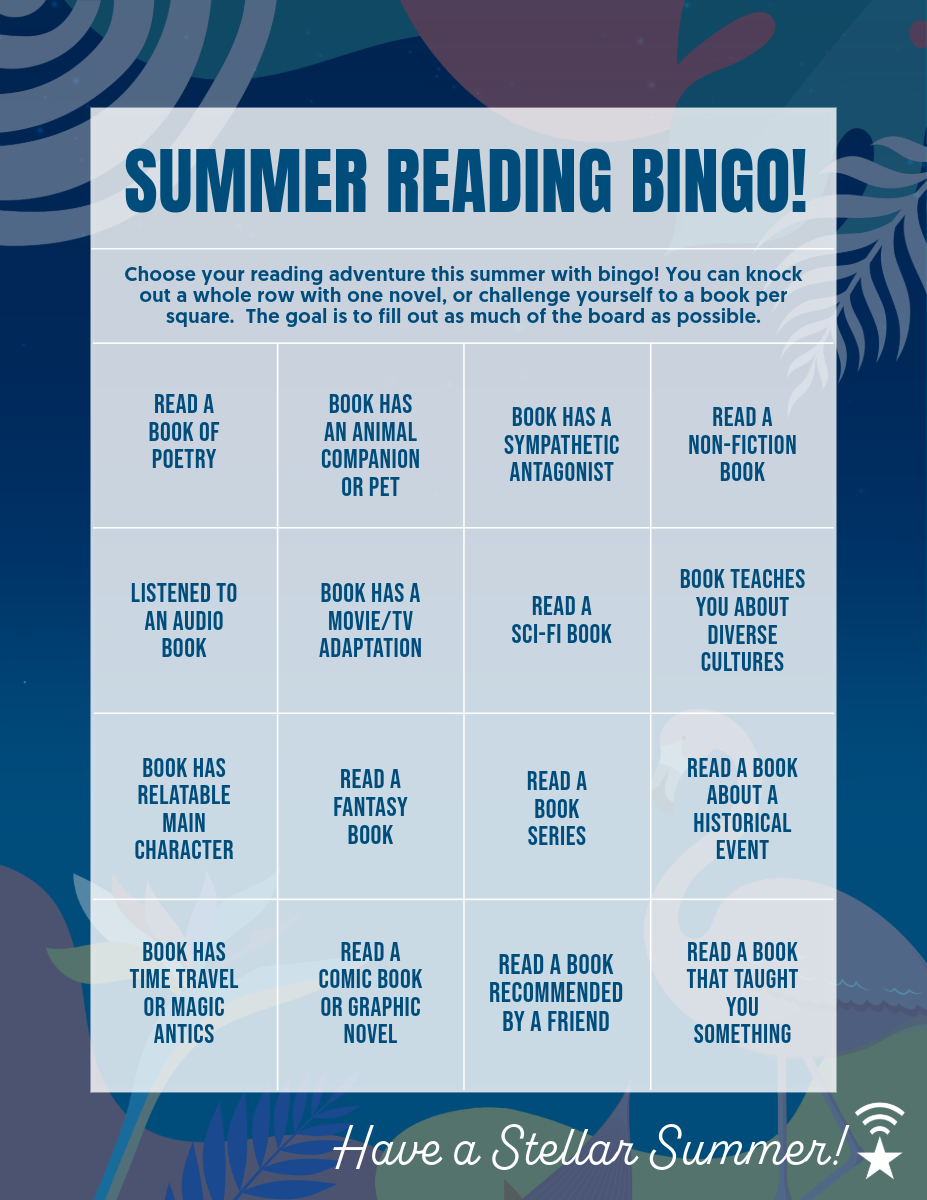
Summer Reading Bingo Card – Choose your reading adventure this summer with bingo! You can knock out a whole row with one novel, or challenge yourself to a book per square. The goal is to fill out as much of the board as possible.
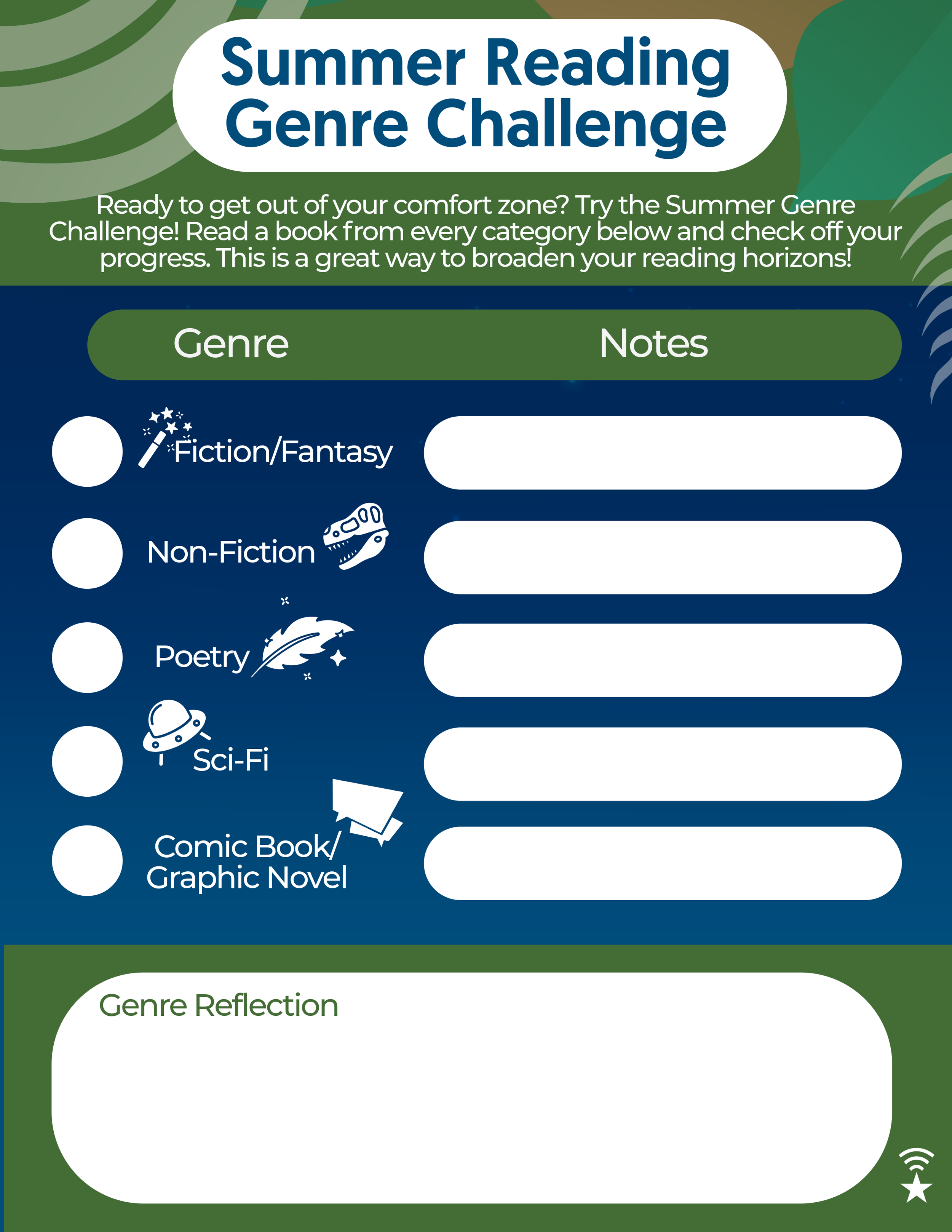
Genre Tracker – Ready to get out of your comfort zone? Try the Summer Genre Challenge! Read a book from every category below and check off your progress. This is a great way to broaden your child’s reading horizons!
The Only Wrong Reading Is Not to Read at All
Virtual school students already know that learning doesn’t just happen between 9 a.m. and 3 p.m. Summer reading is the ultimate extension of that mindset. Whether your child reads one graphic novel or thirty classic novels, whether they listen while building Legos or annotate in the margins, the goal is the same: to remember that reading is a door, not a chore.
As author James Patterson once said, “There’s no such thing as a kid who hates reading. There are kids who haven’t found the right book yet.” This summer reading list is your starting point. Let your child wander. Let them choose. Let them surprise you. And if you want to stay connected to your reading community, make sure to follow us on Instagram, Facebook, and Tiktok.
Happy summer reading from all of us at Tri Star!
Sources
National Literacy Trust. (2021). Audiobooks and Literacy: A Rapid Evidence Review. Available at: literacytrust.org.uk
Scholastic. (2023). Kids & Family Reading Report, 8th Edition. Available at: scholastic.com/readingreport
