Use Your Voice! How Online School Amplifies Student Voices
In education, a student voice is a powerful driver of engagement, belonging, and success. When learning happens beyond the walls of a traditional classroom, celebrating student voices becomes even more important; students who feel heard, seen, and valued are more likely to take ownership of their learning and thrive academically and socially.
Tri Star Virtual is uniquely positioned to amplify student voices in meaningful ways. Through flexible learning formats, digital collaboration tools, and personalized instruction, online education can create space for students to express who they are, how they learn best, and what they care about. Celebrating student voices isn’t just about showcasing achievements; it’s about building a learning community where every learner has a seat at the table.
What Does “Student Voice” Mean in Online Learning?
Student voice refers to students having opportunities to share their perspectives, ideas, experiences, and feedback—and knowing that those contributions matter. In a virtual school, this can take many forms, from class discussions and creative projects to student-led clubs and family-school communication.
Online learning often attracts students who are looking for something different from traditional school: more flexibility, a safer environment, or instruction tailored to their needs. By intentionally centering student voices, virtual schools can honor those needs while empowering students to play an active role in their education.
Celebrating student voice doesn’t mean every decision is made by students. Rather, it means creating structures where student input is encouraged, respected, and thoughtfully considered.
Why Celebrating Student Voices Matters

Builds Engagement and Motivation
When students feel that their opinions and ideas matter, they are more invested in their learning. Virtual schools that encourage student voice often see higher participation in classes, stronger connections with teachers, and increased motivation to complete coursework. At Tri Star, we build in opportunities for students to express their agency as their work with parent to determine their own schedules.
Supports Mental Health
Online students can sometimes feel isolated if intentional connections aren’t built. Celebrating student voices helps students feel known and valued, supporting confidence, self-advocacy, and emotional well-being.
Encourages Ownership and Independence
Virtual learning naturally requires students to build independence, which also develops their voice as an individual. When students are invited to reflect on their learning, share feedback, and set goals, they develop skills that extend far beyond academics.
Reflects Real-World Skills
Communication, collaboration, creativity, and critical thinking are essential life skills. Elevating student voice helps learners practice expressing ideas clearly, listening to others, and engaging in respectful dialogue—skills they’ll use long after graduation.
How Virtual Schools Can Celebrate Student Voices

1. Student-Centered Learning Experiences
We celebrates student voices by offering opportunities for choice in assignments, projects, and learning pathways. Whether students select topics that interest them or demonstrate learning in creative ways, the choices our teachers provide allow students to bring their authentic selves into the classroom.
Project-based learning, discussion boards, and multimedia presentations are especially effective in online settings, giving students multiple ways to express understanding beyond traditional tests.
2. Digital Platforms for Expression
Online learning tools make it easier than ever for students to share their voices. Blogs, virtual galleries, discussion forums, and video presentations allow students to communicate in formats that feel comfortable and engaging.
Some students thrive in live discussions, while others express themselves best through writing or creative media. Virtual schools can meet students where they are by offering multiple avenues for participation.
3. Student Leadership and Clubs
Student-led clubs, councils, and interest groups are powerful ways to elevate student voice in a virtual school community. These spaces allow students to connect over shared interests, practice leadership, and shape the culture of their school.
Virtual clubs can include everything from book clubs and coding groups to art collectives and service organizations. When students help lead and design these spaces, their voices help define what community looks like online. Take a look at the clubs we offer at Tri Star here!
4. Feedback That Goes Both Ways
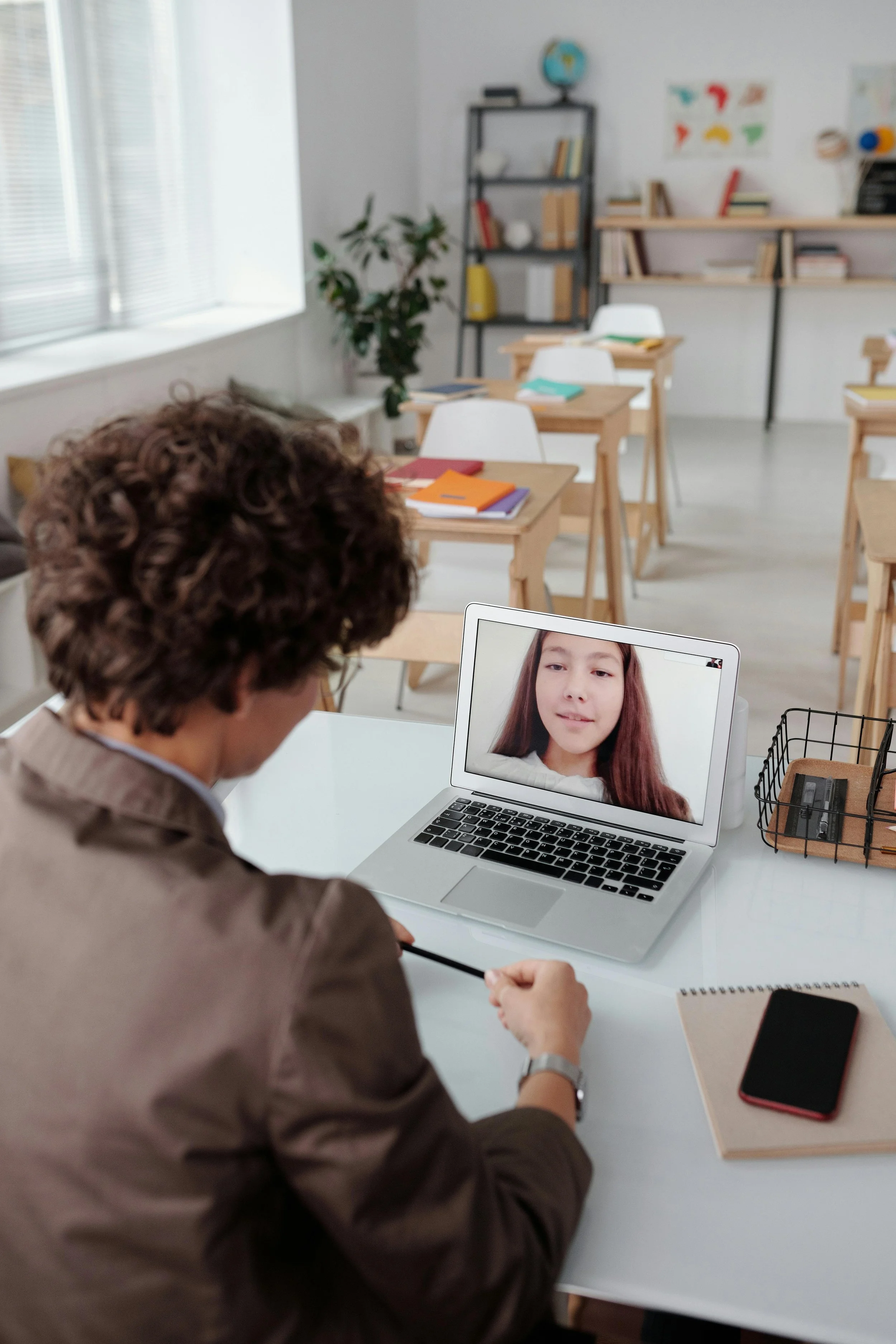
Celebrating student voice also means listening. Surveys, check-ins, and reflection activities give students a chance to share what’s working and what could be improved. Our teachers regularly receive and respond to feedback from students and parents, which allows students to engage actively with their own education.
When schools close the loop by acknowledging feedback and communicating next steps, students learn that their input has real impact. This transparency builds trust and strengthens school-family partnerships.
5. Showcasing Student Stories
Highlighting student achievements, experiences, and journeys is a meaningful way to celebrate voices across the school community. Spotlights, newsletters, blogs, and social media features can share stories of perseverance, creativity, and growth. We regularly take the time to highlight student achievements in our weekly newsletters, as well as our Instagram and Facebook pages for families comfortable with social media.
In a virtual school, student stories help families see the human side of online learning, reminding students that they are part of a vibrant, supportive community.
Beyond the Classroom
Families play an important role in supporting student voice, especially in online education. We often partner closely with parents and guardians, creating opportunities for families to encourage self-expression and advocacy at home.
Simple practices—like goal-setting conversations, reflection on learning progress, or encouraging students to communicate with teachers—help reinforce the idea that student voice matters both inside and outside of school.
When families, educators, and students work together, student voice becomes a shared value rather than a single initiative.
An Ongoing Commitment
Celebrating student voices is an ongoing commitment we’ve made to inclusive, student-centered learning. At Tri Star Virtual, this commitment shows up in daily interactions, instructional design, and community culture.
As online education continues to grow, schools that prioritize student voice will be better equipped to meet diverse learner needs, foster belonging, and prepare students for the future. By listening to learners, amplifying their perspectives, and celebrating their stories, our team hopes to create environments where students don’t just log in, they show up, speak up, and thrive.
Interested in learning more about the teacher who show up every day for our students? Meet the Tri Star teachers here! And make sure to check out our Instagram, Facebook and TikTok accounts to see how we put action behind our words.